

SHARE THIS ARTICLE
15 May 2026
The Best Web3 Wallets To Headstart Your Crypto Journey

Summary:
The best Web3 wallets in 2026 combine strong security, multi-chain support, and seamless access to DeFi and NFT ecosystems. Top options include MetaMask for DeFi users, Trust Wallet for beginners, and hardware wallets like Ledger Nano X for maximum security.
A Web3 wallet acts as your digital identity on the blockchain, allowing you to store crypto, interact with decentralized applications (dApps), and manage assets without intermediaries. Choosing the right wallet depends on your use case: mobile convenience, active trading, or long-term storage.
For most users, the safest approach is to combine a hot wallet for daily transactions with a cold wallet for asset protection. This guide compares the top Web3 wallets, explains key features, and helps you select the best option based on security, usability, and network support.
What is a Web3 Wallet?
A Web3 wallet is a digital application that lets users store, send, and receive cryptocurrencies while acting as a direct gateway to blockchain networks. Instead of relying on email-password logins, users connect to platforms using their wallet, making it the core identity layer of the decentralized web. This is why modern cryptocurrency wallet development services focus not just on transactions, but on enabling seamless interaction with dApps, DeFi platforms, and NFT ecosystems.
When you set up a Web3 wallet, you receive a private key, a cryptographic code that gives you complete control over your assets. Think of it as a secure digital passport that verifies ownership and grants access across blockchain-based applications. Unlike traditional systems, there’s no central authority managing your access ownership and responsibility sits entirely with you.
Common Types of Crypto Wallets
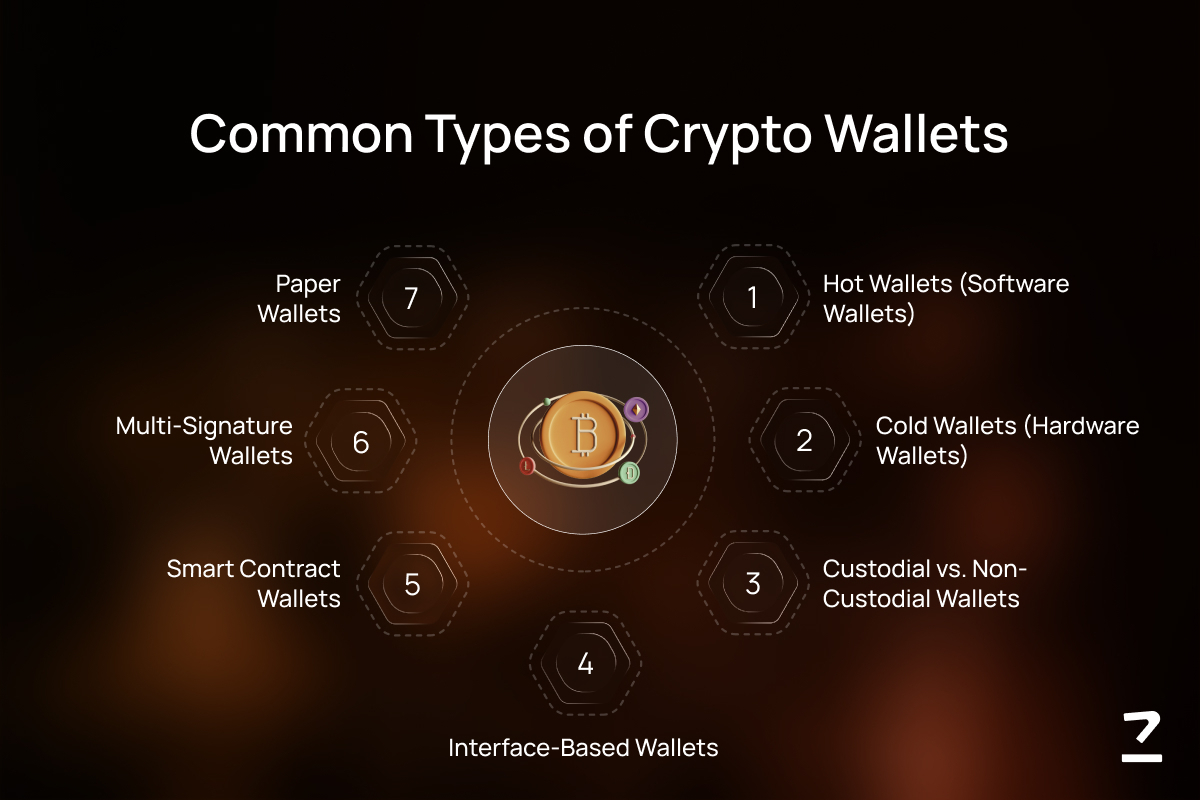
Before you choose a wallet, you need to understand the different formats available.
Hot Wallets (Software Wallets)
Hot wallets connect directly to the internet. You download them as mobile apps or browser extensions. They offer unmatched convenience for daily trading and quick access to DeFi platforms. However, remaining online means they carry a slightly higher risk of cyber threats.
Cold Wallets (Hardware Wallets)
Cold wallets are physical devices that store your private keys offline. Brands like Ledger and Trezor dominate this space. Because they stay disconnected from the internet, they offer the safest way to store crypto in Web3. These crypto wallets cost money upfront, but they provide critical protection for long-term holding.
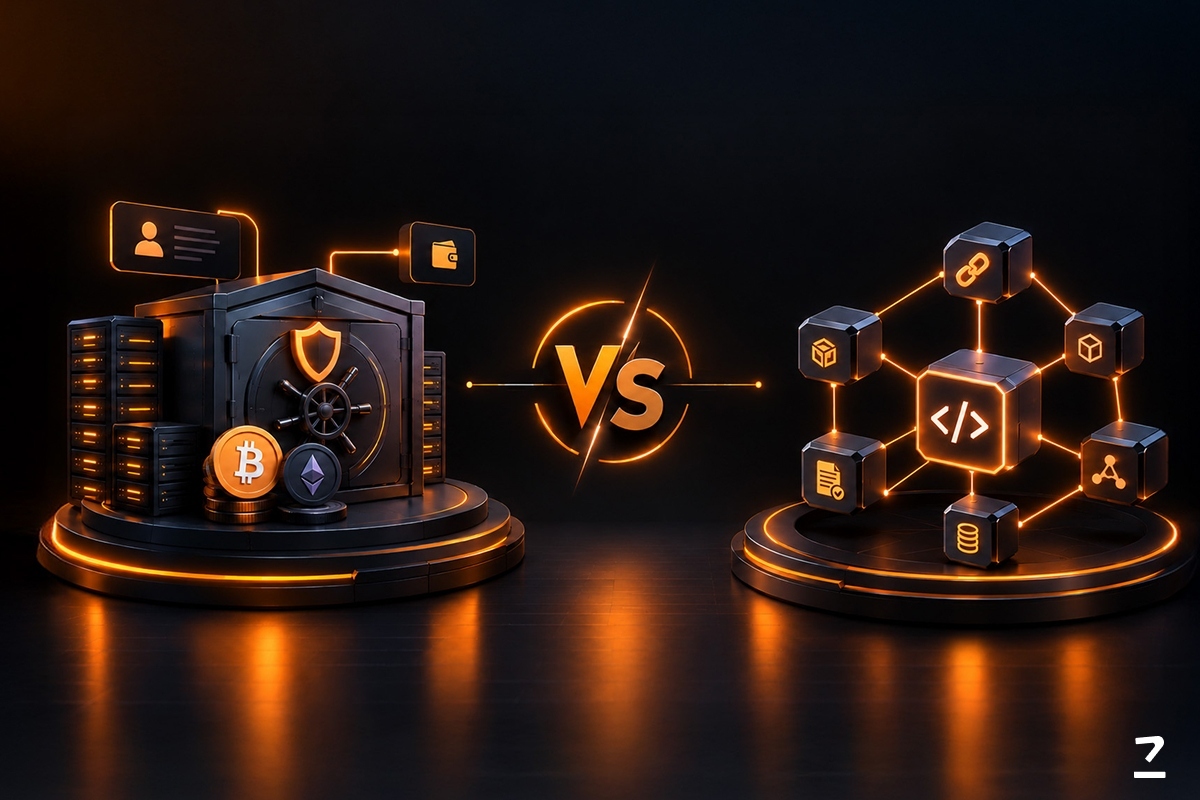
Custodial vs. Non-Custodial Wallets
Custodial wallets are managed by a third party, like a crypto exchange. You get convenience, but you trust someone else with your keys. Non-custodial wallets give you complete control. You hold the private keys. This gives you true ownership of your assets, but you also take full responsibility for securing your recovery phrase.
Interface-Based Wallets
Wallets are also categorized by how users interact with them, including browser wallets like MetaMask for DeFi access, mobile wallets like Trust Wallet for on-the-go management, and desktop wallets like Exodus for portfolio tracking. While most of these are technically hot wallets, the interface significantly impacts usability and user experience.
Smart Contract Wallets
Smart contract wallets use programmable logic instead of traditional private key management, enabling features like social recovery, automated approvals, and gas abstraction. As account abstraction gains adoption, smart contract audits are becoming a key part of improving onboarding and reducing user errors in Web3.
Multi-Signature Wallets
Multi-signature wallets require multiple approvals to execute transactions, making them a preferred choice for DAOs, teams, and enterprises managing shared funds. This structure reduces single points of failure and adds an extra layer of protection for high-value assets.
Paper Wallets
Paper wallets involve storing private keys on a physical document, keeping them completely offline and safe from digital attacks. However, they are now considered outdated due to risks like physical damage, loss, and lack of usability, with hardware wallets offering a more secure and practical alternative.
Key Features to Look for in a Secure Crypto Wallet
Selecting a trusted AI-powered Web3 crypto wallet for long-term holding requires careful attention to specific features:
-
Top-Tier Security: Look for biometric logins, two-factor authentication (2FA), and hardware wallet integration.
-
Multi-Chain Support: The best multi-chain Web3 wallets let you hold Ethereum, Solana, Bitcoin, and other assets in one place.
-
User-Friendly Interface: Beginners need a clean, simple layout to avoid costly mistakes.
-
Built-in dApp Browser: Connect directly to DeFi platforms and NFT marketplaces from within the app.
-
Low Fees: Find a Web3 wallet with the lowest transaction fees and optimal routing for token swaps.
Top 10 Best Web3 Wallets for Beginners in 2026
We evaluated wallets based on Web3 security, ease of use, and overall reliability to identify the best options for beginners. Here are the top 10 Web3 wallets to consider in 2026.
1. MetaMask
MetaMask remains the powerhouse of the Web3 world. It serves as the primary gateway to Ethereum and compatible networks. You can use it as a browser extension or mobile app. It connects instantly to nearly every major dApp, making it a favorite for active traders.
2. Trust Wallet
Trust Wallet provides an incredibly beginner-friendly, mobile-first experience. It supports millions of assets across over 100 blockchains. If you want a single app to hold a diverse portfolio of coins and NFTs, Trust Wallet delivers excellent performance and ease of use.
3. Coinbase Wallet
Coinbase Wallet combines the trust of a major brand with the freedom of self-custody. It features a smart, clean interface. It also offers gasless transactions on certain networks and seamless connections to the main Coinbase exchange for easy fiat-to-crypto purchases.
4. Phantom
Phantom started as the go-to wallet for Solana but has grown into a powerful multi-chain tool. It features a sleek interface, built-in staking, and excellent NFT management. Phantom makes navigating the Solana and Ethereum ecosystems fast and intuitive.
5. Ledger (Nano X)
For maximum security, Ledger provides the industry standard in hardware wallets. The Nano X model connects to your phone via Bluetooth. It keeps your private keys entirely offline, ensuring hackers cannot access your funds. It is the perfect choice for securing large investments.
6. Trezor (Safe 3)
Trezor is another heavy hitter in cold storage. Their devices feature open-source code and exceptional transparency. Trezor wallets are highly secure and integrate well with various software wallets, giving you peace of mind while you explore Web3.
7. Exodus
Exodus shines with its visually stunning interface. It supports over 50 networks and includes built-in swapping features. You can track your portfolio easily, making it a fantastic choice for those who value design and simplicity on both desktop and mobile.
8. OKX Web3 Wallet
The OKX Web3 Wallet functions as a massive decentralized hub. It supports over 60 chains and features a built-in decentralized exchange (DEX) aggregator. It is a brilliant option for users who want to hunt for airdrops and yield farming opportunities.
9. Rabby Wallet
Rabby Wallet caters specifically to DeFi users. It automatically switches networks based on the dApp you visit and simulates transactions before you approve them. This extra layer of security helps you avoid malicious smart contracts.
10. FoxWallet
FoxWallet prioritizes security and multi-chain access. It offers built-in phishing detection and alerts you before signing high-risk transactions. It is highly versatile, supporting Bitcoin, EVM chains, and emerging networks like Filecoin.
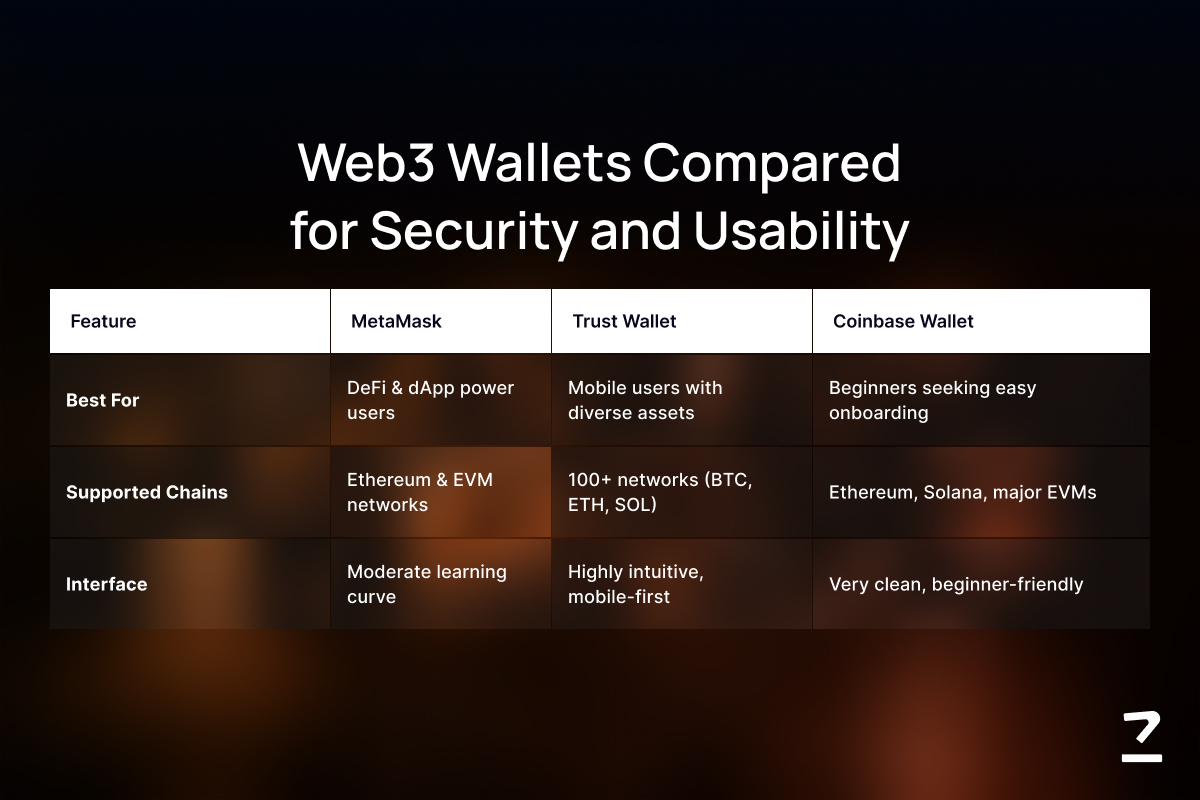
Web3 Wallets Compared for Security and Usability
When deciding between the top contenders, a Coinbase Wallet vs MetaMask vs Trust Wallet comparison helps clarify your options:
How to Choose the Best Web3 Wallet
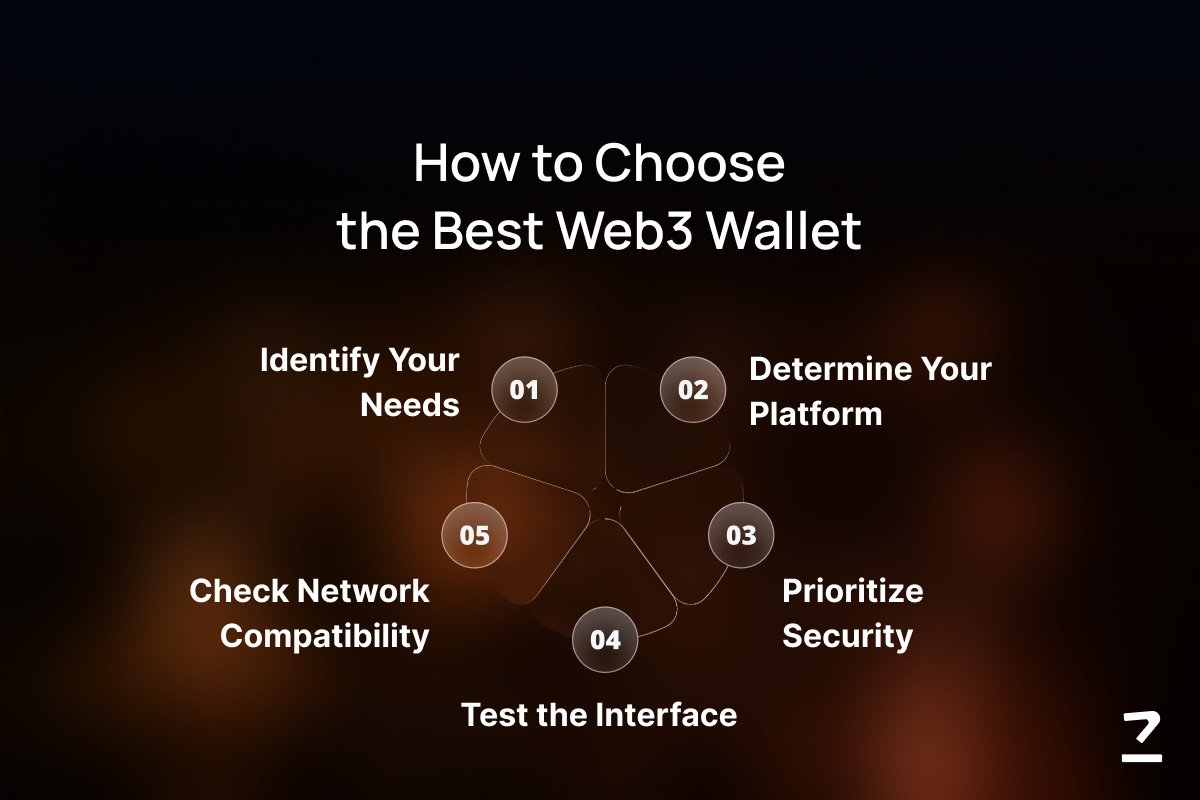
Choosing the best Web3 wallet for beginners depends on how you plan to use it. This is the same approach a cryptocurrency wallet development company follows when building practical, user-focused wallet solutions.
-
Identify Your Needs: Are you holding Bitcoin long-term, or do you want to trade NFTs daily?
-
Determine Your Platform: Do you prefer trading on your phone (choose Trust Wallet or Phantom) or your desktop browser (choose MetaMask)?
-
Prioritize Security: If you plan to store significant wealth, invest in a cold storage hardware wallet like Ledger.
-
Check Network Compatibility: Ensure the wallet supports the specific blockchains you want to use.
-
Test the Interface: Download a few hot wallets. Send a small test transaction to see which user experience feels most natural to you.
Launch Your Crypto Journey with Codezeros Blockchian Developers!
Your crypto journey starts the moment you secure your digital assets. By choosing a reliable non-custodial Web3 wallet, you take full ownership of your financial future. Start with a beginner-friendly hot wallet to understand the ecosystem, and always back up your seed phrase securely offline.
If you're a business planning to build your own wallet, the approach needs to go beyond basic functionality. As a leading cryptocurrency wallet development company, Codezeros delivers custom cryptocurrency wallet development services designed around your security architecture, user experience, and scalability requirements.
Looking to build a secure and scalable crypto wallet? Contact us today to get started.
Post Author

Deep Shah
Explore Deep's insightful blog posts that help businesses stay ahead of the curve, explore new possibilities, and unlock the full potential of blockchain technology
Frequently Asked Questions
Frequently asked questions about this article.
Build a Secure Web3 Wallet That Users Trust
Move beyond basic wallet functionality and build a product users rely on for security and scale. Codezeros helps you launch high-performance Web3 wallets with multi-chain support, advanced security architecture, and seamless user experience. Whether you're targeting DeFi, NFTs, or enterprise use cases, we design wallet solutions that reduce risk, improve retention, and accelerate time to market. Let’s turn your idea into a production-ready wallet.
Blogs
Our Latest Blogs
Discover valuable industry insights and stay up-to-date with the latest updates by exploring our curated collection of recent blog posts.
Let us know your requirement
We know ideas matter, we are the product of one. We Provide Full Assistance In Your Business