

Crypto Wallet Development Company
You’re asking customers to trust your product with their assets. Give them a wallet worth that decision.
As a crypto wallet development company, Codezeros takes that responsibility seriously. We build custom wallets for DeFi, tokenized assets and payments. We have shipped custodial, non-custodial, MPC, multisig and ERC-4337 smart account wallets on EVM chains, Bitcoin, Solana and Tron since 2015.
- 10+Years in blockchain engineering
- 40+Wallets and exchanges shipped
- 20+Chains integrated
- 90%Client retention
- 10+Countries served
Crypto Wallets We Develop
Our custom wallet development services let you decide who controls the accounts, how users access them and which assets they can manage.
Crypto Wallet Development Services
Launch a new wallet, add wallet functions to your platform or extend an existing product. Our cryptocurrency wallet development services cover the application, transaction systems and integrations needed to take the project from planning to release.
Custom Crypto Wallet Development
Your product may need approval rules or transaction flows that an existing wallet cannot accommodate. We develop the application and backend together, settling account control, supported networks and recovery requirements before moving into implementation.
Let’s Work Out
What Your Wallet Needs
Planning a new wallet or improving an existing one? Talk to Codezeros about your users, custody requirements and launch priorities. We’ll help define your crypto wallet development scope.
What we cover in the Call
- 01
Who uses it
Retail, Institutional or in-app users, and the chains they hold.
- 02
Custody Model
- Non-custodial
- MPC
- Custodial
- 03
Launch Priorities
What ships first, what waits for V2, and your target date.
Why Choose Codezeros as Your Crypto Wallet Development Company?
Choosing a development partner means trusting their judgment as much as their code. At Codezeros, we help you make the decisions that shape your wallet, explain the trade-offs and carry those decisions through development.
Experience with DeFi, Payments and Tokenization
Your wallet may connect to a DeFi protocol, a payment service or a tokenization platform. Our work across these systems helps us plan how the wallet fits into your product, including the contracts and services it depends on.
Clear Technical Choices
Crypto wallet development involves choices that affect cost, user experience and daily operations. We explain the options for custody, recovery and network support, so you understand what you’re approving before implementation begins.
A Team for the Whole Product
Wallet projects need blockchain engineers, application developers and designers working together. Codezeros handles the user-facing application and its supporting systems, keeping transaction behavior consistent with what users see on screen.
Support as Your Wallet Grows
After launch, your wallet may need new networks, changes to integrations or updates to its applications. We agree on the support scope with you, including maintenance responsibilities and how future development will be handled.
Industries We Serve
Our custom wallet development services cover the industries below, with each project shaped by how your customers use digital assets and how your team manages transactions.
Banking and Financial Services
Give customers access to digital asset accounts and investment products, with custody arrangements, account permissions and reporting suited to your institution’s requirements.
Fintech and Payments
Let users send stablecoins, pay merchants or make cross-border transfers. Connect wallet transactions with your payment records so your team can track settlement and reconcile funds.
Cryptocurrency and Digital Asset Businesses
Manage deposits, withdrawals and customer balances for exchanges, brokers and custody platforms. For DeFi products, connect users with selected protocols through clear transaction and approval flows.
Asset Management and Tokenization
Give investors a way to receive, hold and transfer tokenized funds, real estate and other real-world assets. Connect wallet access with eligibility checks and transfer rules set by your platform and token contracts.
Gaming and Digital Entertainment
Let players manage in-game tokens, collectibles and marketplace purchases without leaving your game. Keep wallet setup and transaction approvals easy to follow, including for players new to crypto.
Enterprise and Corporate Treasury
Manage company-held digital assets with defined roles, spending limits and approval workflows. Give your finance team the transaction records it needs to oversee payments and track treasury activity.
How We Secure Crypto Wallets
Codezeros reviews account access, signing permissions, recovery and application security together. The controls depend on your wallet’s architecture.
Protect Access
Protect signing credentials and manage who can access accounts, devices and backend services.
What We CheckUnauthorized access and expired sessions.
Control Signing
Apply approval rules, transaction limits and destination restrictions where the wallet architecture supports them.
What We CheckAttempts to bypass transaction permissions.
Plan Recovery
Define recovery steps that match the custody model and the credentials users or operators control.
What We CheckLost-device and account recovery scenarios.
Test & Monitor
Review wallet contracts, test applications and APIs, and record security events for investigation.
What We CheckContract flaws, API vulnerabilities and suspicious activity.
Hire Dedicated Wallet Developers
Already have a product team? Bring in wallet developers for the work that needs specialist attention, whether that is transaction signing, a new chain connection or an embedded account flow.
Codezeros offers dedicated developers, a crypto wallet development, or monthly staff augmentation. We match the engagement to your backlog and stack, with skills across Solidity, Rust, Node.js, React Native and Flutter as required.
Tell us where your team needs help and who will own the surrounding systems. We can then define the role, delivery responsibilities and review process without making you hand over the entire product.
Supported Blockchains and Assets
We integrate multiple networks across EVM and non-EVM chains. Each non-EVM chain family needs its own signing and indexing code, so we scope chains one by one.
For tokenized real-world assets, we connect the wallet to investor eligibility checks and transfer restrictions
enforced by the token contracts and platform.
Crypto Wallet Projects We Have Delivered
Two of our wallet builds lead this section, followed by exchange and DeFi work where wallets were a core component. Each card shows the client, chain, what we built and one result.
Photon Wallet
BitcoinNon-custodial Bitcoin wallet for mobile.
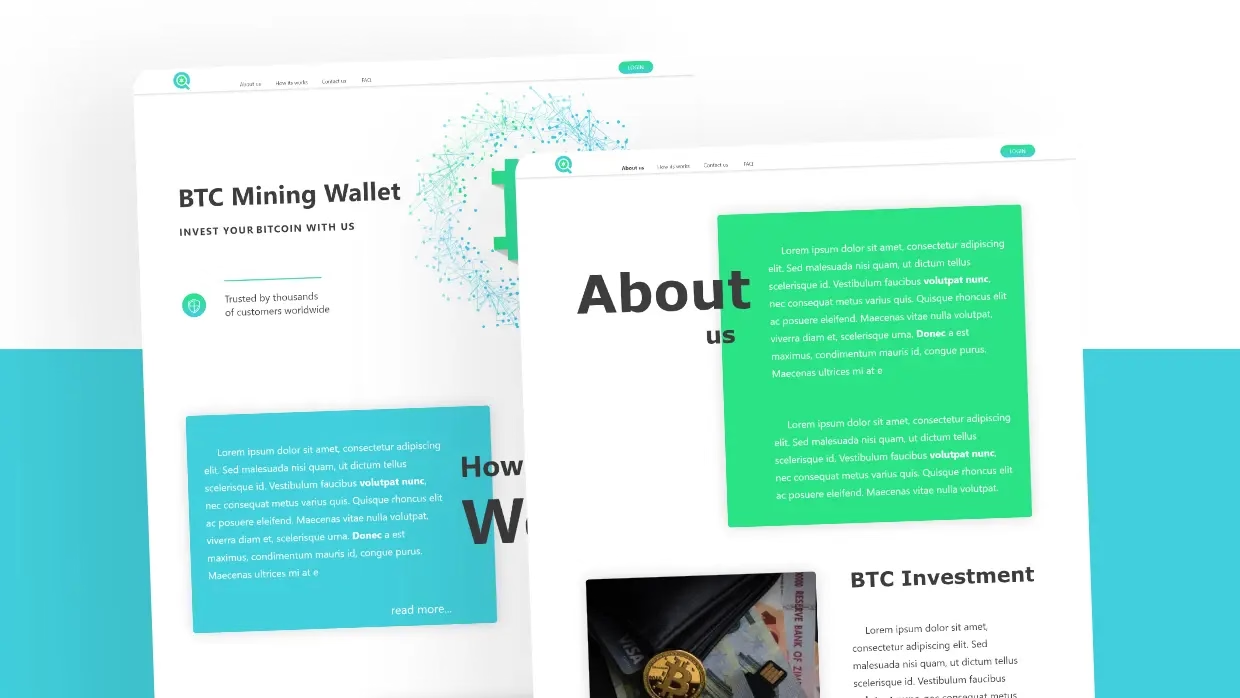
BTC Mining Wallet
BitcoinConfirm scope: wallet for mining payouts.
Incoins
Multiple ExchangesA unified cryptocurrency wallet connecting multiple exchanges.
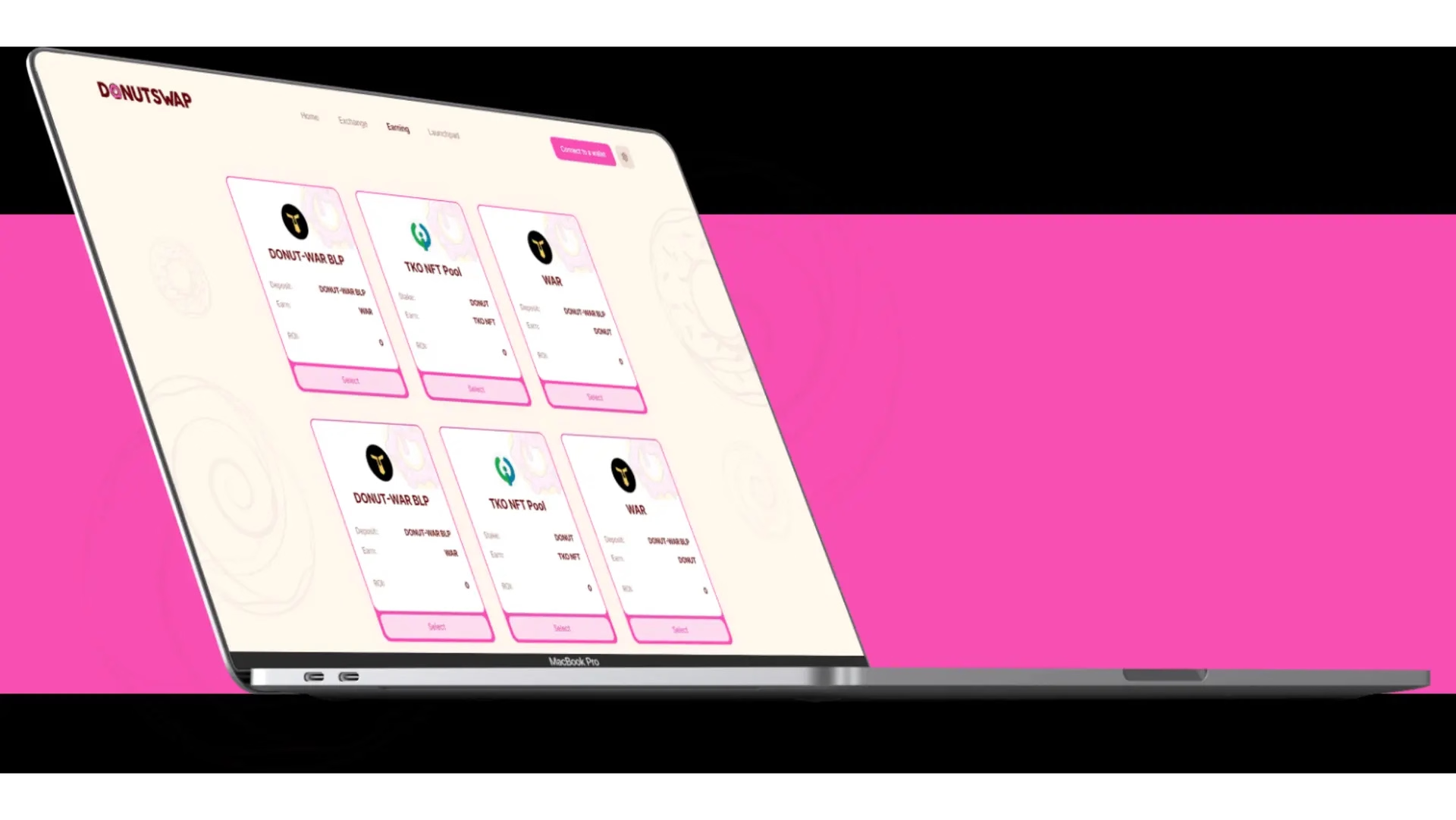
Donutswap
BNB ChainDEX with wallet connection, BEP-20 swaps, liquidity pools and an IDO launchpad; we built frontend, backend and smart contracts.

Process
How We Develop Your Crypto Wallet
Crypto Wallet Development Cost and Timeline
These are indicative planning estimates, not fixed prices or final Codezeros quotes. Costs and timelines vary with custom requirements, supported networks, platforms, integrations and security testing.
White-label wallet
$15,000–$35,0006–8 weeks
Branding and configuration of an existing wallet, selected network integrations and an admin panel
Custom non-custodial MVP
$30,000–$60,00012–16 weeks
Mobile applications, one chain family, send and receive functions, swap integration and WalletConnect
Multi-chain consumer wallet
$60,000–$120,0004–6 months
Multiple chain families, swaps, NFT support, on-ramp integration and a browser extension
Smart account or embedded wallet
$50,000–$110,0003–5 months
Account abstraction or delegated account functionality, gas sponsorship, passkey access and application integration
Institutional MPC or custodial exchange wallet
$100,000–$250,000+6–9 months
Signing infrastructure, custody policies, deposit and withdrawal workflows, compliance integrations and audit logs
What a Wallet Costs After Launch
Operating costs depend on usage, networks and providers. These estimates may vary with your requirements. Third-party services, audits and ongoing infrastructure are identified separately where applicable.
Node and RPC infrastructure
$500–$3,000per month
Supported networks, request volume and availability requirements
Indexing and price data APIs
$200–$1,000per month
Transaction history, balance tracking, asset coverage and API usage
MPC or custody provider
Provider-specific pricing
Signing volume, wallet count, custody model and service plan
Gas sponsorship
Usage-based
Sponsored transaction volume, network fees and sponsorship policies
Maintenance and support
Quoted by scope
Support coverage, OS updates, network upgrades and security maintenance
Independent re-audit
Quoted per review
Changes to contracts, signing logic or other security-sensitive components
Tell Us What Your
Wallet Needs To Do
You do not need a finished specification to begin. Tell us who will use the wallet, which assets matter and what the first release should let people do.
We will help you turn that into a development scope, with the account model, integrations and launch work clearly laid out.
Frequently asked questions
Find quick answers to common questions about regulations, platform architecture, token models, and rollout strategy.
Indicative budgets are USD 15,000–35,000 for a basic white-label wallet, USD 30,000–60,000 for a custom single-chain MVP, and USD 100,000–250,000+ for institutional MPC or exchange wallet infrastructure. These are planning estimates, not a final Codezeros quote. Features, integrations, audits and ongoing infrastructure affect the final cost.
A white-label wallet launches in 6–8 weeks, a custom MVP in 12–16 weeks, and an MPC or institutional wallet in 6–9 months. Every extra non-EVM chain family adds roughly 3–5 weeks.
In a custodial wallet the platform holds the keys and signs for the user; in a non-custodial wallet only the user can sign. Custodial wallets allow password-style recovery but usually require a licence. Non-custodial wallets avoid custody liability, but users must protect their own backup.
MPC splits one private key into shares that sign together off-chain, producing a single normal signature. Multisig uses several separate keys and checks the approvals on-chain. MPC works on any chain and costs no extra gas; multisig is transparent on-chain but depends on smart contract support.
ERC-4337 turns a wallet into a smart contract account with programmable rules. Transactions go out as UserOperations, bundlers submit them to an EntryPoint contract, and paymasters can cover gas. It enables gasless transactions, batching, spending limits and social recovery.
EIP-7702, live on Ethereum since the Pectra upgrade in May 2025, lets an existing EOA address delegate to smart contract code. Users keep their address and funds and gain smart account features. ERC-4337 creates a new contract account instead; many wallets now support both.
Yes. A multi-chain wallet derives addresses for each chain from one seed or MPC key and runs chain-specific signing and indexing for each. We usually ship EVM chains first and add Bitcoin, Solana or Tron as separate modules.
A custodial wallet usually needs one, such as a VASP registration, a CASP licence under the EU's MiCA, or a money transmitter licence in the US. A non-custodial wallet often does not. Rules differ by country, so confirm with a lawyer in your launch markets.
Choose white-label to launch in under two months with standard features. Choose custom when the wallet is your core product, needs a unique custody model, or must connect to your own exchange or contracts.
You do. Codezeros transfers the full source code and infrastructure access at launch.
Yes, if it follows each store's crypto rules, and we prepare submissions to meet them. Apple allows wallet apps published by a developer enrolled as an organisation, and allows exchange features only where you hold the right licence. Google Play requires a declaration for crypto exchanges and software wallets in listed countries. We handle the review notes, demo accounts and resubmissions.
Yes. We sign a mutual NDA before the first technical call if you ask for one. Tick the NDA box on the estimate form and we send it within one business day.
Have more questions? Contact us.
Want to Build a Secure Crypto Wallet?
Partner with Codezeros for custom wallet development services built around your custody model, blockchain requirements, security architecture and user experience.