
SHARE THIS ARTICLE
30 Dec 2025
How Much Does Crypto Wallet Development Cost in 2026?
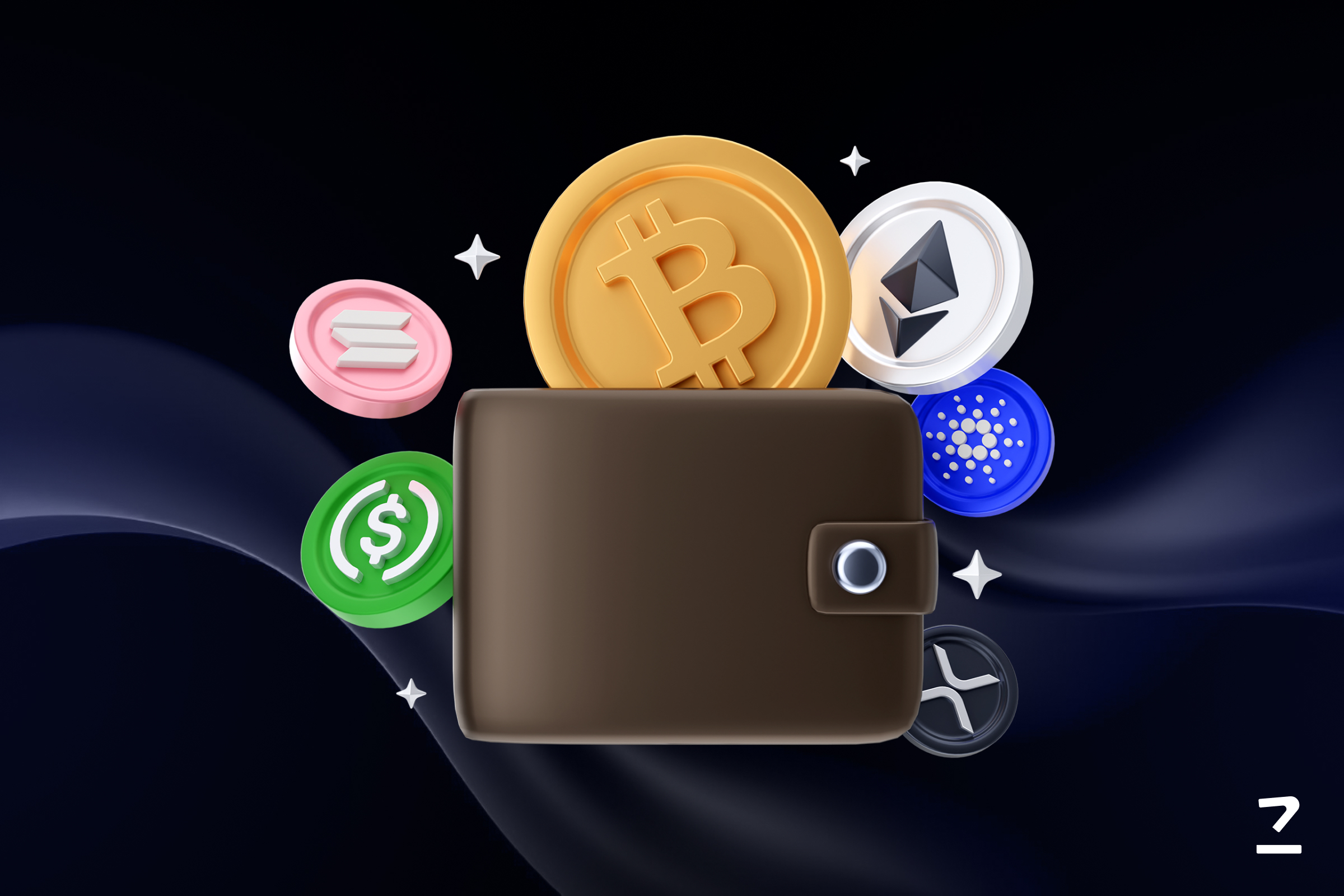
The world of cryptocurrency continues to grow and change every day. By 2026 the adoption of blockchain, DeFi, and Web3 solutions by businesses, Startups, and Enterprises will be at an all-time high. In this scenario, a crypto wallet isn't just a means of storage, it's a fully-fledged entry point to the digital economy.
Companies looking to launch or upgrade their wallet offerings will need to understand cryptocurrency wallet development costs, most important building features, potential hidden costs, and recommended practices.
A crypto wallet acts as a bridge between users and various blockchain networks, allowing them to perform secure transactions, manage their digital assets, and engage with DApps. As the competition increases, businesses will gain a considerable advantage by collaborating with a top-tier wallet development company. These businesses will gain access to highly secure, scalable, and user-friendly crypto wallets.
The article below aims to provide insights on crypto wallet development in 2026 and significant factors influencing development costs to gain more in-depth knowledge.
What Is a Crypto Wallet?
A crypto wallet is a digital application that allows users to store, send, receive, and manage crypto assets. Unlike traditional wallets, crypto wallets do not hold any coins. They store the private and public keys that grant users access to their assets on the blockchain. Public and private keys are necessary and crypto wallets do not hold any blockchain coins. It is a bridge to the blockchain, and as such safety and reliability to the blockchain are necessary to the user experience.
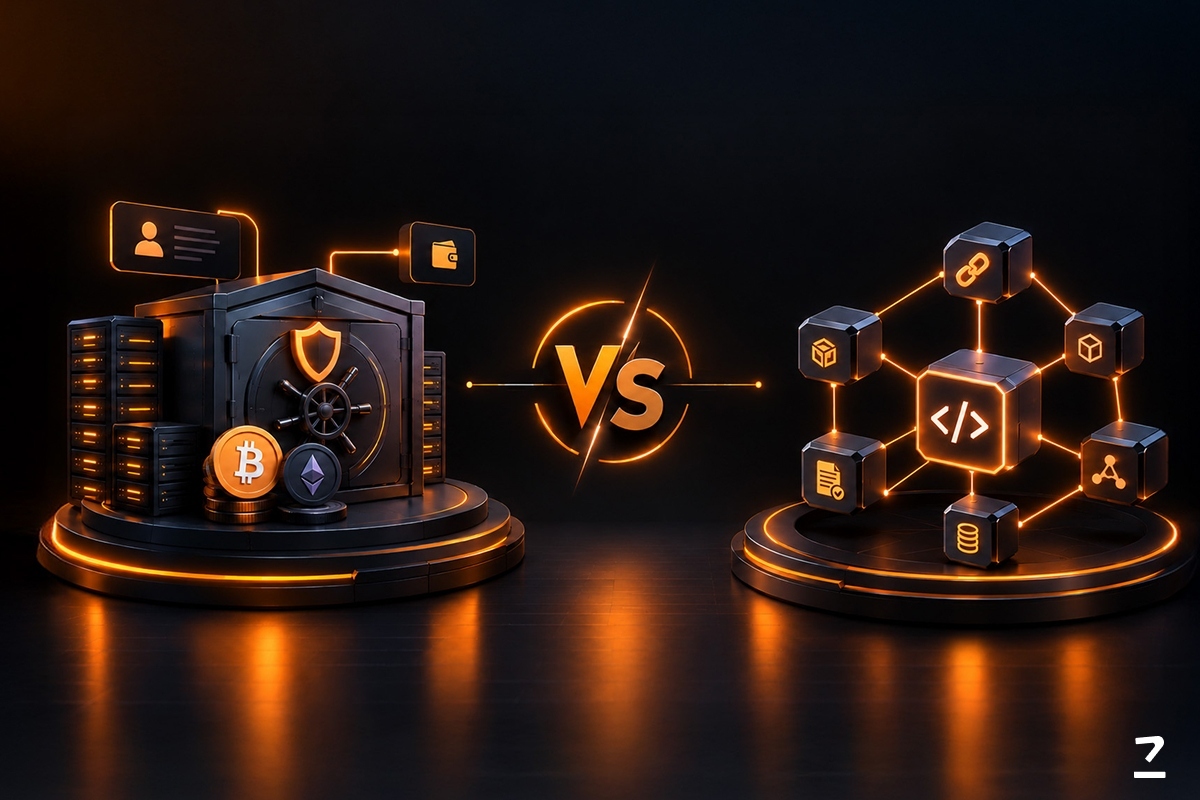
Wallets are grouped according to key ownership:
-
Custodial wallets. These wallets are controlled by a third party, providing ease and speed during onboarding and recovery. They require backup server infrastructure and compliance.
-
Non-custodial wallets. Users are granted complete control of their private keys, resulting in higher ownership and security. They require advanced client-side encryption and recovery infrastructure.
The latest wallets developed using cryptocurrency wallet development services can manage multiple wallets, integrate decentralized finance (DeFi), store digital non-fungible tokens (NFTs), provide on-ramps to fiat money, and execute smart contracts, thus making feature planning a major factor in the cost of development.
The Different Types of Crypto Wallets Available and Their Pricing
How much crypto wallets cost is based on the functionality each crypto wallet offers. For crypto wallets, functionality can range from basic storing and sending to enterprise-level financial services and Web3 services.
1. Basic Wallet
Basic wallets allow users to send, receive, and store crypto for the first time. For computer programmers just starting a crypto wallet, starter wallets offer the basic functionality needed to create a crypto wallet.
Key Features:
-
Ability to create a wallet and manage the private key
-
Ability to send and receive crypto
-
Basic functions to track transactions
-
Very simple and easy to use
Estimated Dev Cost: Remove ($10,000)
Basic wallets offer a basic crypto wallet, but may require upgrading in the future to be a multi-chain crypto wallet or one that offers advanced functionality.
2. Advanced Multi-Chain Wallet
An advanced Multi-Chain Wallet is one of the most popular types of crypto wallets and supports numerous crypto and blockchains, with the added benefit of being able to swap crypto from one to the other and manage the balance in the wallet in real time.
Key Features:
-
Multi-chain support (Ethereum, Bitcoin, Solana, Polygon, and BNB Chain)
-
Instant balance updates and live tracking of transactions
-
Tokens can be swapped in and out of the wallet
-
Advanced Security Protocols
Estimated Development Cost: $12,000 – $28,000
An Advanced Multi-Chain Wallet with all of these features is both expensive and time-consuming to create and develop, as it is in high demand.
3. Wallet with DApp Browser
Including a DApp browser with the wallet allows for access to the entire Web3 world and adds to the functionality of the wallet, allowing it to be compatible with many DeFi services, NFT marketplaces, as well as tokenized assets.
Key Features:
-
Web3 Integration – Smart Contracts
-
Secure DApp browsing with anti-phishing measures
-
Integration of staking, lending, and liquidity platforms
-
Transaction monitoring with real-time alerts
Estimated Development Cost: $25,000 – $45,000
Example: Wallets for Web3 game developers can be integrated with libraries and smart contracts, but secure browsing increases the complexity and therefore the cost of the development considerably.
4. MetaMask / Trust Wallet–Level Wallet
High-end wallets such as MetaMask or Trust Wallet provide multi-network access and have NFT management, DeFi features, and enterprise scalability.
Key Features:
-
Non-custodial keys with secure backup
-
NFT management, including display and transactions
-
Token swaps, custodial and cross-chain bridges
-
High scalability, even under high demand
-
Robust security, including multifactor and biometric authentication
Estimated Development Cost: $45,000 – $90,000+
The wallets in this category are in the range of MetaMask and Trust Wallet, which require the highest proficiency as of blockchain experts, along with a significant amount of testing, and ongoing support will be needed for their upkeep.
Must-Have Features Which Impacts Wallet Development Pricing
The digital wallet features significantly affect costs, how long it will take, and ongoing maintenance requirements after the wallet app goes live.
Sending & Receiving Crypto
The basic core functionality of any crypto wallet is the ability to send and receive digital assets. However, there is some complexity involved, including:
-
Transactions across multiple chains
-
Updating account balances in real time
-
Scanning QR codes
-
Sending and receiving transaction alerts
Supporting multiple chains adds to the backend complexity and requires more quality assurance.
Multi-Currency Support
If a digital wallet is to support multiple currencies, there is a need for:
-
Real time price feeds
-
Updates to balances and secure storage
-
Integration with various blockchain APIs
-
Functionality to swap multiple tokens
Costs go up with the amount of cryptocurrencies and blockchains supported.
Security: Encryption, 2FA, Biometrics
The security of crypto wallets is an important feature to get right, such as:
-
End to end encryption
-
Biometric (finger and/or face) recognition
-
Two-factor authentication (2FA) and/or a personal identification number to protect
-
Private (cold) storage with multi-signature wallets
The costs increase with the number of security measures, complex audits, and penetration testing.
Compliance: KYC/AML
If the e-wallet is going to include a means to deposit or withdraw fiat currency, there is a need for compliance as an example with KYC (Know Your Customer) requirements:
-
Integrate with on-boarding KYC providers like Onfido or Sumsub
-
Implement a verification workflow
-
Track and review transactions
-
Adaption to compliance for the specific jurisdiction
While the integration of compliance adds to the costs and time required for development, these steps ensure legal compliance.
NFT & DeFi Integrations
Wallets that support NFTs and DeFi require more advanced engineering than others in the industry because of the following tasks that need to be accomplished:
-
Create NFT galleries and handle metadata management.
-
Merge products from staking, lending, and liquidity services.
-
Develop and execute the smart contract.
-
Provide real-time portfolio analytics.
Creating all of these components and features takes mastery and deep commitment to testing.
Crypto-to-Fiat & Debit Card Functionality
Some wallets allow users to convert their crypto to fiat and use a debit card. In order to support this, these items need to be accomplished:
-
Payment gateway integration.
-
Oversee compliance and manage the transaction.
-
Handle real-time conversions and manage the associated fees.
-
Facilitate integration with banks and other financial institutions.
All these elements greatly influence the overall development costs.
Admin Panel & Analytics
A complete and advanced Admin Panel is vital from an operational perspective for:
-
Managing users.
-
Tracking transactions.
-
Managing fees and operational activities.
-
Providing real-time security alerts.
Building complex and advanced dashboards requires a significant amount of backend expertise, which adds to the time and cost of the project.
Factors Influencing Wallet Development Cost
Understanding cost drivers helps in budget planning.
Wallet Complexity
Some wallets have just basic functionality, others have a lot of extra features, like for DeFi. The more features a wallet has, the more costly the following will be:
-
Backend infrastructure
-
QA
-
Testing
-
Security
-
Maintenance
Platform Choice: Android, iOS, Web, Desktop Wallet Development
For development, you can choose:
-
Android
-
iOS
-
Web
-
Desktop
Each platform will have unique costs. For Android, you will need to develop using Kotlin. For iOS, you will need to use Swift. For cross platform you can use an app like Kotlin, but that will be less costly. Web and desktop have extra costs as well, but will be more accessible.
Tech Stack: Native vs Cross-Platform, Backend Architecture
Tech stack affects speed, performance, and maintainability:
-
Backend frameworks: Node.js, Go, Python
-
Database setup for transaction history and analytics
-
Scalable API design for multi-chain integration
Third-Party APIs & Integrations
Services that wallets often need to use:
-
KYC/AML
-
Payment processors
-
Blockchain explorers
-
Analytics and monitoring tools
Each of these services has a subscription cost as well. Many of these services can integrate and other features that will need to be developed as well.
Development Approach: In-House, Agency, Freelancers
-
Internal Teams: Total control, more expensive to begin with
-
Agencies: Less control, more structure, and faster delivery
-
Freelancers: You will likely spend less to start, higher risk in coordination
-
Hybrid Models: More control internally, less externally
Regional Development Costs
Prices can be different depending on the location of the company
-
India: $5,000 - $45,000+
-
Eastern Europe: $12,000 - $70,000+
-
USA/UK: $45,000 - $180,000+
-
Middle East: $30,000 - $130,000+
Partnering with a reputable wallet development company ensures quality and optimized budgets.
Detailed Cost Breakdown of Crypto Wallet Development
A practical breakdown of development, feature, and maintenance costs involved in building a secure crypto wallet.
By Wallet Type
-
Basic Wallet: $5,000 – $10,000: Simple activities such as sending and receiving crypto, as well as wallet creation.
-
Advanced Multi-Chain Wallet: $12,000 – $28,000: Facilitates the use of multiple blockchains and token swaps.
-
DApp Browser Wallet: $25,000 – $45,000: Grants access to Web3 and DeFi.
-
MetaMask/Trust Wallet-Equivalent Wallet: $45,000 – $90,000+: Includes multi-network and NFT capabilities, DeFi functionality, and high-end security.
By Features
-
User Onboarding: $600 – $2,500: Involves account creation, user authentication, and access control key
-
Send/Receive Crypto: $1,200 – $3,600: Transaction processing, encoding, and notification triggers.
-
Multicurrency Support: $2,500 – $12,000: Support for multiple tokens, blockchain API integration, and maintaining real-time balances.
-
NFT Functionality: $2,500 – $10,000: Support for NFT display, transaction processing, and metadata for galleries.
-
2FA, Biometrics, and Encryption: $1,000 – $3,600: Specifically designed to enhance security for both the wallet and access control key.
-
Administrative/Audit Panel: $3,000 – $12,000: Management of users, transaction control, and reporting.
-
KYC/AML workflows: $1,200 – $5,000: Compliance with process verification.
Hidden & Ongoing Costs
-
Maintenance & Updates: $2,000 – $10,000/month: Software bugs and performance corrections.
-
Security Audits: $10,000 – $50,000+: Validation of internal and external security.
-
Infrastructure: $100 – $10,000+/month: Servers, bandwidth, hosting, network.
-
Blockchain Node Management: $200 – $25,000+ — Self-hosted or third-party nodes.
Development Timeline
-
Planning & Analysis: 1-2 Weeks
-
UI/UX Design: 2-4 Weeks
-
Backend & Frontend Development: 6-16 weeks
-
Blockchain Integration: 2-4 Weeks
-
Testing & QA: 2-4 Weeks
-
Deployment & Launch: 1-2 Weeks
-
Post-Launch Support: Ongoing
Cost Optimization Strategies for Deploying Crypto Wallet
The expense associated with the development of Crypto wallets can be controlled by following some integrated strategies considering scalability, security, and user experience.
-
White-Labeling: Customization and rapid deployment of white-label solutions to increase the market speed while incurring minimum development costs, and engineering costs, especially for MVPs, as that involves a lot of engineering, can be rapidly developed.
-
Phased Development: Spreading the wallet development costs to installments reduces the initial investment by first developing a wallet with MVP features and then adding other advanced features such as development tools with control DeFi, NFTs, and support for multiple chains.
-
Tech Stack Optimization: The use of cross-platform frameworks (React Native, Flutter) alongside scalable backends reduces development time and maintenance costs in the future. The use of open libraries and SDKs that are available in the market also speeds up development.
-
Hybrid Outsourcing: Using a methodical combination of in- house control and specialized remote blockchain development outsourcing, the hybrid innovation supervision model manages costs, preserves quality, and maintenance without the expense of full-time employment.
-
Re-Using Smart Contract Templates: Utilizing available audited Smart Contract templates, instead of compiling contracts, decreases time in the development cycle in wallets as well as the costs of audits, which comprise a significant amount of the expenses.
-
Cloud Based Infrastructure: Utilizing the costs of the cloud to host and the ability to scale up, ropes in controlled expenditures which are predictable.
-
Automated Testing and CI/CD: To shorten costly fix cycles later in the project, implement continuous testing and deployment pipelines to reduce manual QA time and identify bugs early.
Case Studies & Examples of Crypto Wallet Development Project
-
Nebeus: In only six months, this company launched a wallet that allows crypto-to-fiat transfers as well as a debit card and, along the way, was able to save on infrastructure costs.
-
Custom DeFi Wallet: A startup that launched multi-chain staking and NFT wallet features with a white-label solution, was able to save 40% of the costs of development.
Custom wallet development solutions and partnerships with blockchain specialists guarantee cost savings and on-time delivery.
Start Your Crypto Wallet Journey with Codezeros!
Creating a crypto wallet will be a must for businesses stepping into the blockchain economy by 2026. Determining costs will be based on wallet type, features, level of security, platform, tech stack, development method, and of course, accomplishing this with proper planning, feature prioritization, and staged development which will allow for expense optimization while keeping scalability and security a priority.
Your wallet will be able to meet the market demand, allow for future developments to be incorporated, and provide users with a safe and dependable solution when you team with the trusted and experienced Blockchain Development Service Provider. Investing in the wallet development project today should allow for expenses to be hidden down the road and position your brand as a prominent provider of digital asset solutions.
Post Author

Jay Kapoor
With a genuine love for all things blockchain, Jay is one of the Blockchain Enthusiasts and Consultants at Codezeros. With a fresh and innovative perspective on the world of blockchain, Jay provides strategic guidance and implementation support to clients across diverse industries and helps them unlock new opportunities.
Frequently Asked Questions
Frequently asked questions about this article.
Build a Secure, Scalable Crypto Wallet with Codezeros
Ready to launch a future-ready crypto wallet? Our blockchain experts help you plan costs, choose the right architecture, and build secure, scalable wallets tailored to your business goals. From MVPs to enterprise-grade platforms, Codezeros delivers reliable crypto wallet solutions built to scale in 2026 and beyond.
Blogs
Our Latest Blogs
Discover valuable industry insights and stay up-to-date with the latest updates by exploring our curated collection of recent blog posts.

Let us know your requirement
We know ideas matter, we are the product of one. We Provide Full Assistance In Your Business