

FRAMEWORKS
Blockchain Technology
Frameworks
At Codezeros, we offer advanced blockchain development solutions with state-of-the-art technology frameworks. Explore our proficiency in blockchain frameworks that power our innovative solutions.


Move Based
Move-based Blockchain Technology Framework are pushing the limits of blockchain technology, offering novel solutions for blockchain development.
Rust Based
Rust-based blockchain frameworks are gaining popularity for their ability to deliver secure and efficient blockchain solutions.
EVM Compatible
Unlock the full potential of decentralized applications with our EVM-compatible Blockchain development framework.
Other Blockchain
In addition to our core blockchain offerings, we work with a variety of other blockchain frameworks to provide comprehensive Enterprise blockchain solutions to our clients.

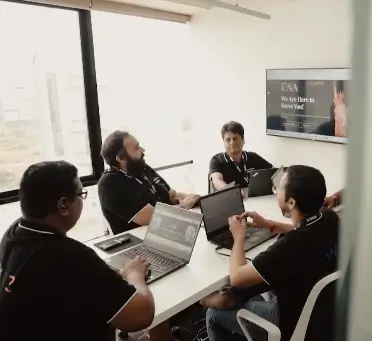
Blockchain Expertise at Your Service
Want to explore the possibilities of blockchain for your industry? Let us help!
Know Us
Building the Future of Decentralized Technology
As a Blockchain App Development Company, we're leading the way in shaping the future of decentralized technology. Work with us to empower the world with secure, transparent, and efficient solutions, and take a step closer towards decentralization.
10+
Years of experience
120+
Members in the team
98
Successful Projects
90%
Client Retention
USE CASES
Blockchain Use Cases
Bringing Real-World Blockchain Solutions from Concept to Reality for Your Industry



WORK
A Showcase of Our Success
Our portfolio showcases the success of Codezeros as a Blockchain Development Service Provider. It is a carefully curated collection of our most successful projects and inspiring success stories, which reflects our unwavering commitment to delivering excellence.
 Hyperledger Fabric
 GoLang
 Node JS
 Nest.JS
 Smart Contract
Blogs
Our Latest Blogs
Discover valuable industry insights and stay up-to-date with the latest updates by exploring our curated collection of recent blog posts.


The most common questions
Find answers to popular questions about our offerings in our comprehensive FAQs section.
When using a blockchain framework, security concerns are a critical consideration. Smart contract vulnerabilities and consensus attacks are just two examples of the possible risks. To manage these concerns, it is essential to perform extensive security audits and follow best practices, including secure coding, multi-factor authentication, and encryption. Additionally, staying up-to-date with the latest security updates is crucial for maintaining a secure blockchain network.
Choosing the right blockchain framework is crucial for the success of any project. Factors to consider include the scalability and performance of the framework, the level of security it provides, its compatibility with existing systems, and the availability of development resources. It's also important to assess the specific requirements of the project and choose a framework that meets those needs.
Integrating blockchain frameworks with existing systems and applications can be achieved through various methods. One option is to use application programming interfaces (APIs) to connect the blockchain network with external systems. Another approach is to use middleware software that acts as a bridge between the blockchain and existing systems. In some cases, the integration may require modifications to the existing system architecture to ensure compatibility with the blockchain framework.
Public and private blockchain frameworks have their own advantages and disadvantages. Public blockchain frameworks are decentralized, transparent, and secure due to their distributed nature, but may have limited scalability and privacy concerns. Private blockchain frameworks offer more control, scalability, and privacy, but may not have the same level of transparency as public frameworks. The choice between public and private blockchain depends on the specific use case and the requirements of the project, such as the need for transparency, data privacy, and regulatory compliance.
Yes, Blockchain technology can be used for any type of transaction that requires a secure and transparent record-keeping system. Blockchain technology has numerous use cases, such as in finance, supply chain management, voting systems, and digital identity. It is highly secure and resistant to tampering due to its distributed ledger system, making it ideal for transactions that require transparency and trust between parties.
To implement Blockchain solutions successfully, it's important to identify the problem you're trying to solve, choose the right Blockchain platform, plan for scalability, ensure security, build a strong team, engage with stakeholders, and follow regulatory compliance. By following these best practices, you can increase the likelihood of success and enjoy the benefits of Blockchain technology.
More questions? Contact us.